
stop blaming everything on postmodernism: February 2026 braindump
A completely uncalled for rant, plus more on beauty, outgrowing American churchianity, and some art I enjoyed this month.

“The Matrix was also staged but you watched it like wow.”1
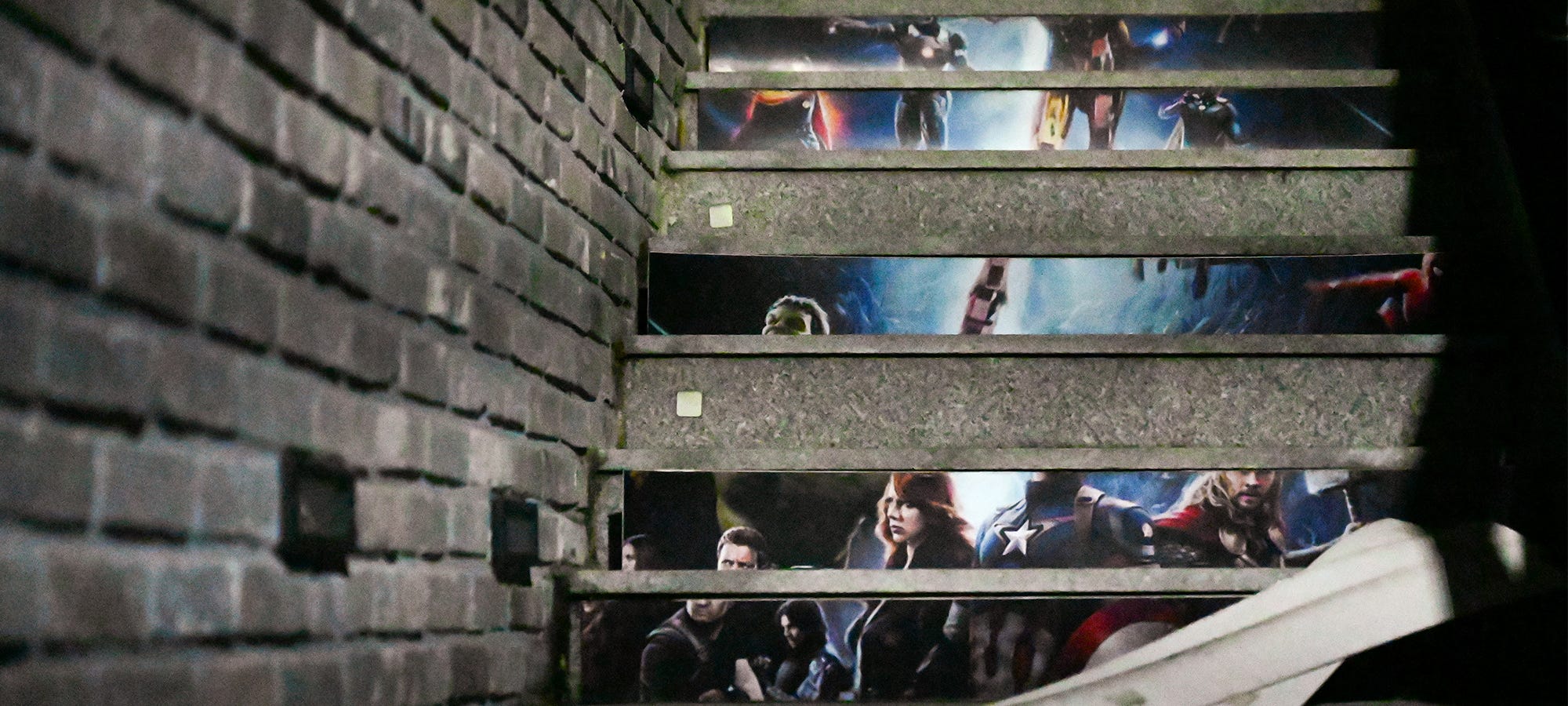
With a twelve-hour flight under my belt and an espresso martini in my hand, I’m feeling emboldened and this rant has been brewing for months. I’m getting tired of everyone blaming everything that’s majorly wrong with our society on postmodernism.
Yes, postmodernism, like any intellectual movement (say the Enlightenment or Romanticism), has a complicated history and flawed effects. But a lot of commentary about the ills of Western society today leans heavily on the crutch of pointing to postmodernism as the singular and primary fault.
We are lonely because postmodernism. We are disconnected from a unified societal story and have suffered the disappearance of shared culture because postmodernism. Nothing has meaning anymore because postmodernism.
I suspect perennial critics of postmodernism suffer from laziness. Arguing is easy when everyone believes the same underlying principles about the world, shares a more or less common understanding of history, and accepts traditional structures of power and authority as just the way things are. Now, however, one actually has to work to convince the skeptic (or the completely non-hostile non-committed believer) that their worldview is correct and worthy of adoption. And that makes things hard for those not used to defending historically unquestioned ways of seeing the world. Those guys now have to go to the gym.
The effects of postmodernism are, in fact, a blessing in disguise. Instead of assuming, belief systems must now prove their validity and coherence. You cannot tell me you love Jesus and then abuse and demean in his name or support those who do. (This is just an example!) Today’s zeitgeist will not allow those narratives to be combined without question. That is a good thing.
We complain about historically conservative, traditional, or Christian values no longer being assumed as foundational societal pillars in the West. Well, you can be bitter and take your marbles and run. Or you can recognize that the bedrock of postmodernism—the rejection of unquestioned grand narratives and the deconstruction of assumed structures of power—are what make it possible for your worldview to have a serious seat at the table in the marketplace of ideas right now. It’s a feature of the system, not a bug.
Postmodernism is what makes Taylor Tomlinson’s new Netflix special, Prodigal Daughter, possible—and funny—and doesn’t require her being burned at the stake for blasphemy. We’re welcome.
Okay, I must admit it isn’t only the espresso martini that has me emboldened. It’s also Megan Gafford’s response to Ted Gioia’s criticism of the Enlightenment and call for more Romantic values in today’s world—which I read and recommended to you last month. Romantic that I am, definitely read this if you have the time.

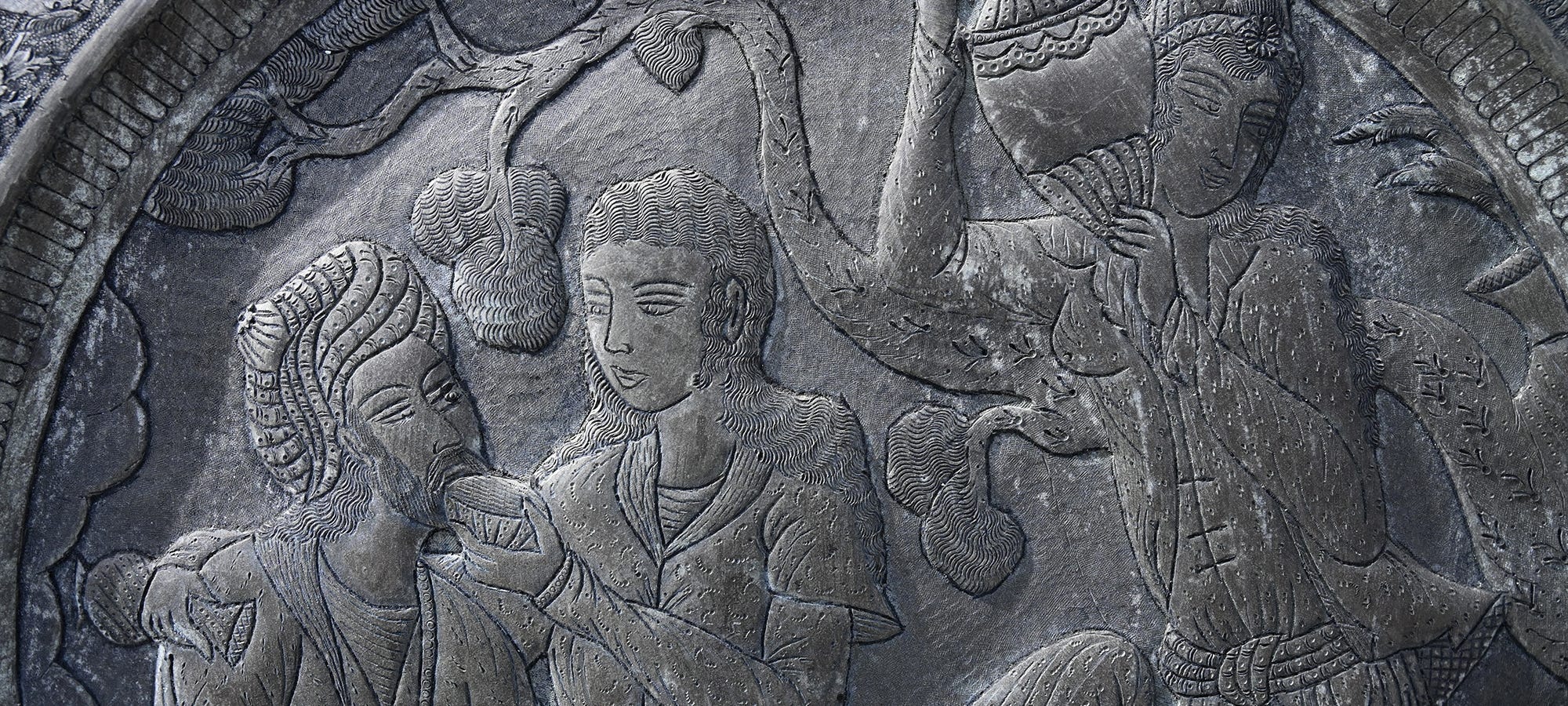
otherwise, beauty remains all the rage
I wrote a bit more about beauty this month while discovering more conversation surrounding whether beauty will save the world…
The Culturist has this piece on why suffering makes you beautiful
Plough has Brandon Vaidyanathan’s piece on discovering beauty through betrayal, business studies, and his mother’s mental illness.
Joy Marie Clarkson ☀️ has hosted four episodes on beauty-adjacent topics on the Another Life podcast.
I really enjoyed Christopher West’s piece in The Imaginative Conservative on Art & the New Evangelization: How Beauty Will Save the World 🩵🤍💙
asides + signal boosts
While reading the first third of Kendall Meek’s article on The Small Group Industrial Complex, I found myself screaming internally, finally someone is saying it aloud! It’s something my siblings and I have discussed at least twice a year for the past few years: the difficulty of finding a church home where we feel like we are actually challenged in our faith. I haven’t talked much about this with folks outside my family out of fear of appearing snooty. But,
A lot of Christians haven’t fallen away.
They’ve outgrown American churchianity.
Although there’s something lacking in Meek’s criticism of the small group in particular—specifically, how to fix it—but his article is a good starting point for conversations about what contemporary Christian church culture has to offer Americans and whether it’s meeting that need.
In Liberties, Elena Kagan (not the Supreme Court justice) takes issue with Guillermo del Toro’s Frankenstein for philosophical reasons: Monster of the Enlightenment.
You have to be human!, Freya India cries — and everyone feels it.
Another from The Culturist and something I’m afraid most people don’t want to face up to: Does Might Make Right? Answer: I mean, kinda.
Rodrigo Brancatelli laments the loss of the middle. And as much as I want to sympathize—he makes some good points!—the reason we don’t all eat at Applebee’s and flock to romcoms starring Julia Roberts is because we choose not to. No one banned us from mid-tier eateries; we also started getting more options at the box office. We chose what we wanted—voted with our pocketbooks as they say—and it’s time we take responsibility and stop blaming ambiguous “elites” and “theys” for the current state of things culturally. If your local restaurant strip is filled with arch millennial-aesthetic eateries serving avocado slices on your smash burger, it means people are paying for it (or at least posting about it on social media). That’s show business—I mean, capitalism—for ya.
Speaking of the middle, maybe it seems like it’s disappeared only because people aren’t writing essays about it. My friend Katy wrote this poem about the Oxford that (probably) gets glossed over by the people who write essays.2
And speaking of people writing essays, I appreciate Chrissy putting words to yet another of my feelings surrounding the irritating sameness of pockets of dialogue on substack. “I’m just tired of seeing essay after essay regurgitating why phones are bad and we need to start connecting more,” she says. “Girl, if your cottagecore village fantasy was actualized, there wouldn’t be any Substack writers. Do you know how to use a farming scythe?” Yeah, let’s see your farming scythe credentials before you get to write about how cancelling the internet is cool. It needed to be said.
In the vein of things that needed to be said, Sophie Killingley talks about Christian hospitality and how the “Norman Rockwell” version of it usually leaves neurodivergent families and folks with disabilities out of the picture.
FoxxeHole sent me this from Tanner Guzy and I love, love, love it. We all can fight the darkness by simple, everyday acts—like putting some thought into what we wear.
Finally (saving the best for last), Georgia Coley writes about Olympic figure skater, Alysa Liu the Magnificent, and how doing something for the joy of it is like heaven on earth.


Okay, it’s time for another espresso martini. (Shoutout to Tina in Detroit who makes one that’s mean and unorthodox — you have to bring your own espresso though.)
(more) asides + signal boosts
📖 Reading
Finished C.S. Lewis’ Till We Have Faces, hailed by the NY Times Review of Books as his “most mature novel.” I agree it’s mature, and it’s interesting to read in the context of post-modernism (ha!) and a culture proud enough to say what it thinks of how gods should behave. I suppose it’s not really a new phenomenon.
🎞️ Watching
Followed through on a long-standing recommendation and watched Pluribus, Season 1. I have some thoughts which might emerge in an essay elsewhere, but it’s an interesting story to experience in a society that may one day choose artificial intelligence for convenience and companionship over the difficulties of being human.
Taylor Tomlinson’s latest Netflix comedy special, Prodigal Daughter (spoken for above)!
🎧 Listening
It’s extremely trippy watching ROSALÍA’s music video for “Sauvignon Blanc” while in the middle of reading of Till We Have Faces.
“What’s death to a risen king?” Trip Lee’s BRAG WORSHIP project is bringing new flavor to the sphere of “worship music.” I like it. (But what does my opinion of music intended for worship matter?)
I haven’t watched the Netflix hit series Tell Me Lies, but I love CHVRCHES’ songs associated with the new season — “Addicted to Love” and “Such Great Heights”
Lecrae’s Reconstruction: Second Story has seven new songs added to what I think is his last album.
BLACKPINK’s new EP Deadline, which I thoroughly enjoyed.
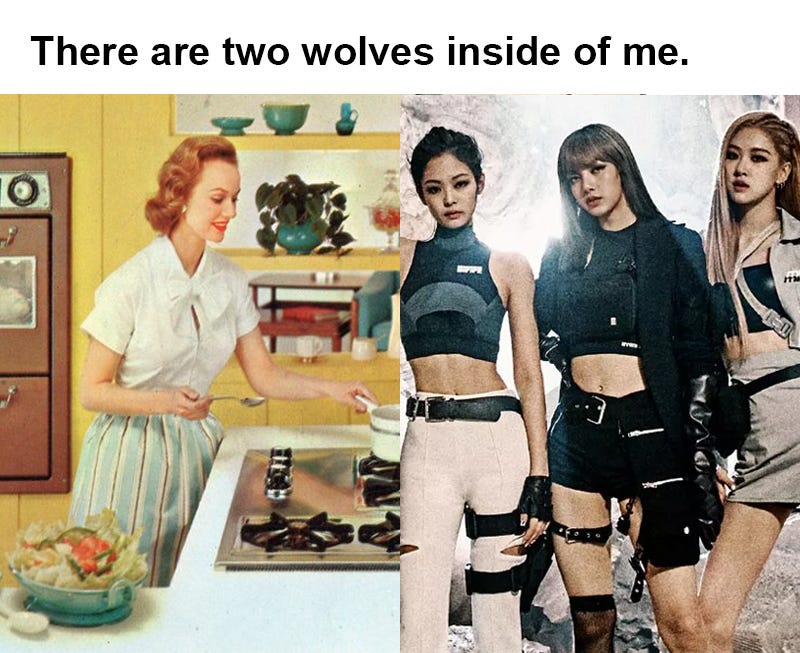
For the life of me, I cannot remember where I read this line, but it’s definitely from a substack I read this month.
I am one of those people who writes essays.
Grateful for your feedback!
I think for the first time, I’ve read or bookmarked two of these essays before reading your brain dump! I feel educated 🙄😉
Also, thanks for the shout out and describing the point of the piece so succinctly. And for admitting you’re one of the people who writes essays 🥹